There is no item in your cart
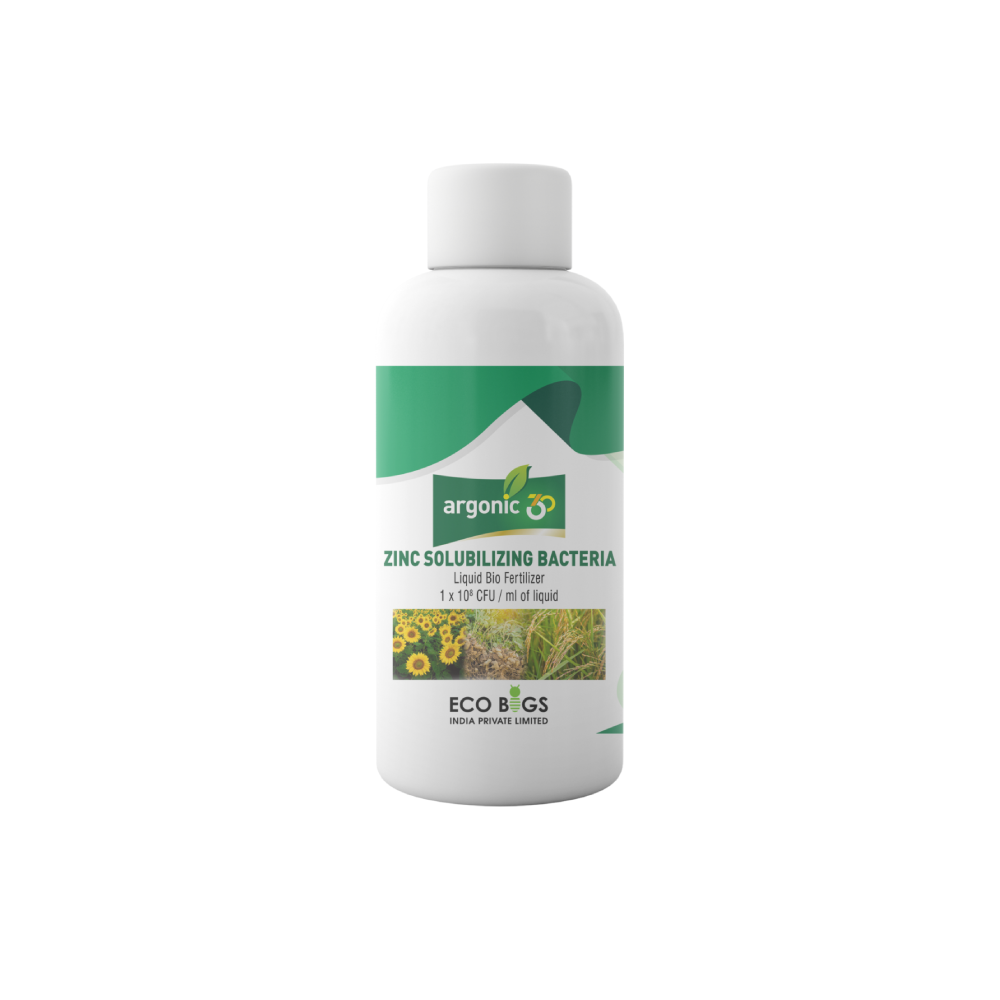
Zinc-solubilizing bacteria are a group of beneficial microorganisms crucial in agriculture for enhancing zinc availability in the soil.

Original price was: ₹55.00.₹45.00Current price is: ₹45.00.
Zinc-solubilizing bacteria are a group of beneficial microorganisms crucial in agriculture for enhancing zinc availability in the soil.
Zinc-solubilizing bacteria are a group of beneficial microorganisms crucial in agriculture for enhancing zinc availability in the soil. These specialized bacteria possess the unique ability to convert insoluble zinc compounds into a soluble form, making it more accessible to plants. When applied as a biofertilizer, they work in conjunction with plant roots, aiding in the absorption of this essential micronutrient. Adequate zinc levels in plants are crucial for various physiological processes, including growth, photosynthesis, and enzyme activation. By boosting zinc uptake, these bacteria contribute to healthier plants and improved crop yields, particularly in zinc-deficient soils.
Benefits.
Zinc-solubilizing bacteria offer several significant benefits to agricultural practices. It plays a crucial role in enhancing zinc availability in the soil, a vital micronutrient for plant growth and development. This leads to improved photosynthesis, enzyme activity, and overall plant health. Additionally, by facilitating the uptake of zinc, these bacteria help fortify plants against stressors, such as pests and diseases. Moreover, their action reduces the need for synthetic zinc fertilizers, promoting more sustainable and eco-friendly farming practices. Overall, zinc-solubilizing bacteria contribute to healthier crops and more resilient agricultural systems.
| Shelf life | One year. |
|---|---|
| Seed Treatment | 300 ml/acre of seeds. |
| Root Treatment | 150ml/acre for seedlings. |
| Soil application | 500ml in 100 litres of water/acre. |
| Mode of Action | Zinc-solubilizing bacteria operate through a specialized mode of action. These beneficial microorganisms produce organic acids and enzymes that target insoluble forms of zinc in the soil. Through a biochemical process, they convert these inaccessible zinc compounds into a soluble form that plant roots can readily absorb. This enhanced uptake of zinc ensures that plants have a sufficient supply of this essential micronutrient, crucial for various metabolic processes. By facilitating this conversion, zinc-solubilizing bacteria play a vital role in optimizing plant health and ultimately improving crop yields, particularly in zinc-deficient soils. |
| Crops Recommended | Rice, Wheat, maize, sorghum, cotton, pulses and other vegetable crops. |
Reviews
There are no reviews yet.